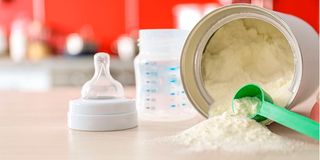
For many new mothers, breastfeeding is one of the most intimate and rewarding experiences of motherhood.
Yet, it can also be one of the most challenging. When milk supply seems low or the baby’s appetite increases, parents often wonder whether they can safely mix breast milk with formula in the same bottle.
According to Dr Varsha Vekaria-Hirani, a consultant pediatrician, the short answer is yes — it is medically safe to mix breast milk and formula.
However, she stresses that there are important precautions to follow to ensure your baby’s safety and to make the most of both feeding options.
“Breast milk remains the gold standard of nutrition for babies. It contains the perfect balance of nutrients, immune factors, and enzymes that protect against infection and support growth,” says Dr Vekaria. “But if breast milk alone isn’t enough, supplementing with formula is perfectly fine — provided it’s done under medical guidance.”
There are many reasons a parent might decide to combine breast milk and formula. For some, the decision is due to low milk supply — a common concern for new mothers. For others, it’s about convenience, returning to work, or ensuring the baby is full and content.
While the motivation varies, Dr Vekaria says what matters most is understanding the how and why of mixing. “The goal should always be to feed your baby safely and support healthy growth,” she notes.
If you decide to combine the two, there’s a correct way to do it. “Always prepare the formula first,” Dr Vekaria advises.
“Follow the manufacturer’s instructions carefully, ensuring you use the right water-to-powder ratio. Once the formula is ready, you can add the expressed breast milk to the bottle.”
However, she warns against preparing formula using breast milk instead of water.
“Formula must be mixed with water as directed because it’s designed to dissolve in a specific concentration. Adding powder directly to breast milk changes the nutrient balance and could make it too concentrated for the baby’s kidneys.”
When it comes to temperature, parents can serve the mixture either warm or cold — depending on the baby’s preference.
However, Dr Vekaria cautions against using a microwave to heat the milk. “Microwaves can cause uneven heating and create hot spots that may burn your baby’s mouth. Instead, use a bottle warmer or place the bottle in a bowl of warm water for a few minutes. Always test the temperature on your wrist before feeding.”
While there’s no medical danger in mixing breast milk and formula, Dr Vekaria points out one major downside: wastage. “Breast milk is often called liquid gold because of its unmatched nutritional and immune benefits,” she says.
“When you mix it with formula and your baby doesn’t finish the bottle, you can’t store or reuse the leftovers. The combination creates an ideal environment for bacteria to grow, so it must be discarded within an hour.”
Because of this, many paediatricians recommend an alternative feeding method: breastfeed first, then top up with formula if the baby still seems hungry. This approach ensures that none of the precious breast milk goes to waste.
Does mixing affect nutrition or digestion?
Though formula is designed to closely mimic breast milk, it cannot replicate it entirely.
“Formula lacks living cells, antibodies, and certain human oligosaccharides — unique sugars that help develop a healthy gut microbiome,” explains Dr Vekaria.
Mixing the two can slightly alter how your baby digests the milk.
Some babies may experience mild digestive issues like gas, fussiness, or constipation as their systems adjust.
“These symptoms can be normal, but persistent vomiting, diarrhea, or poor weight gain should prompt a visit to your paediatrician,” she advises.
Another factor to consider is feeding preference. Babies who are often bottle-fed may develop nipple confusion or flow preference, meaning they might start rejecting the breast because milk flows faster from a bottle.
“To maintain supply and bonding, try to offer the breast first before the bottle,” says Dr Vekaria.
Can mixing affect milk supply?
"Yes, it can — indirectly,” Dr Vekaria notes.
Breast milk production works on a simple principle: the more your baby nurses, the more milk your body produces.
“If you substitute too many feeds with formula, your breasts won’t be stimulated enough to produce milk, which can reduce supply over time,” Dr Vekaria warns.
To maintain or boost production, mothers can pump after feeds or between formula top-ups. Staying hydrated, eating balanced meals, and getting enough rest also help.
If your baby has allergies, reflux, or lactose intolerance, caution is crucial.
“In such cases, avoid mixing unless you’re using a special formula recommended by your paediatrician,” says Dr Vekaria.
“Breastfeed first, then top up with the prescribed formula. That way, the baby still benefits from breast milk’s protective properties, while the formula addresses specific nutritional needs.”
Formula options vary — from cow’s milk-based to soy and hypoallergenic varieties.
“The choice depends on your baby’s digestive health and any allergic tendencies. The type doesn’t affect how well it mixes with breast milk, but it should always be chosen with professional advice,” she emphasises.