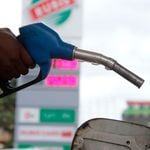
The State more than doubled the subsidy on diesel to Sh2.33 per litre in the monthly cycle ending December 14, helping to keep pump prices unchanged amid a rise in the cost of imported fuel.
The subsidy is more than double the Sh0.54 applied in the previous cycle and helped keep prices of diesel unchanged at Sh171.47 per litre in Nairobi. Without it, the price would have increased and triggered inflationary pressure.
Price of imported diesel rose 1.81 percent to $635.05 (Sh82,264.38) per cubic metre for the cargoes used to set the current fuel prices, from the previous $623.75 (Sh80,800.57) for the same quantity.
A subsidy of Sh0.48 and Sh4.24 per litre was applied on petrol and kerosene respectively in the current cycle, helping to keep prices of the two fuels unchanged at Sh184.52 and Sh154.78 respectively.
Consumers pay Sh5.40 for every litre of petrol and diesel and Sh0.40 per litre of kerosene as the Petroleum Development Levy, with the money mainly used to subsidise fuel prices.
The current rates of subsidy on the three fuels are the highest in seven months. The last time it was higher was in the monthly cycle to May 14 this year at Sh6.09, Sh4.66 and Sh6.18 per litre of diesel, petrol and kerosene respectively.
The continued use of the subsidy comes at a time of rising inflation, hurting State efforts to ensure that the cost of living does not skyrocket.
Inflation— the measure of cost of living— has remained unchanged at 4.6 percent in the last two months. It had been rising month-on-month from 3.8 percent in May this year.
The government is keen to keep inflation within the targeted band of 2.5 to 7.5 percent and subsidising fuel prices is key to achieving this goal amid the rise in global fuel prices.
A softening demand for fuel globally offers a reprieve for the Kenyan government. This is because prices are not expected to rise significantly and thus a low rate of the subsidy will be needed per litre of fuel.
Diesel is the main fuel across most sectors of the Kenyan economy, highlighting why any price increments at the pump are a major driver of inflation.
Farmers, transporters and electricity generators factor the cost of fuel while setting prices of goods and cost of their services, passing the impact of costly fuel to the end users.