A few years ago, orthopedic products were viewed as a niche, the kind of medical comfort reserved for the elderly or the injured. But as Kenya’s economy grows and lifestyles evolve, orthopedic comfort has quietly become big business.
From ergonomic office chairs to firm mattresses and specialised shoes, the demand for orthopedic products is stretching far beyond hospitals into homes, offices, and even luxury showrooms.
According to Lumbasi Lutomia, a Consultant Orthopedic Surgeon at Aga Khan University Hospital in Nairobi, the shift is deeply tied to Kenya’s changing work culture and improving economy.
“Over time, there has been a shift in the health-seeking behaviour of Kenyans,” he says. “People are more informed and more willing to spend on health and comfort as their economic situation improves.”
Dr Lumbasi Lutomia, a Consultant Orthopedic Surgeon at Aga Khan University Hospital in Nairobi.
Photo credit: File I Nation Media Group
He explains that more people now understand how posture, movement, and work routines influence long-term spinal health.
“In the past, even if you needed a high-density or orthopedic mattress, you simply couldn’t afford it,” he adds. “Now, more people can. That affordability, together with awareness, has changed everything.”
For decades, back problems were associated with aging. But Dr Lumbasi says the trend has shifted dramatically; the average orthopedic patient today is between 30 and 50 years old, mostly professionals in office settings.
“You’ll be surprised that the number of back pain patients above 65 is limited,” he notes.
“Most of the people we see are working-class, between their 30s and 40s. They sit for long hours, and many lead sedentary lifestyles.”
Back pain
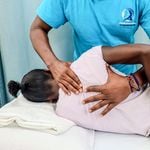
When asked what he recommends for patients with non-surgical back pain, Dr Lumbasi says it often begins with posture correction and lifestyle change.
“It’s rarely about buying the most expensive item,” he explains. “It’s about getting a good chair that follows the spine’s natural curve, using a headrest, and standing or stretching every few hours.”
For those with sleep-related back pain, he says the right mattress can make a difference, but it depends on firmness rather than branding.
“A mattress that’s too soft sags and distorts your posture,” he says. “Medium to firm, high-density mattresses offer better spinal support. That’s what people mean when they say orthopedic.”
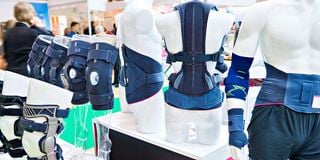
He adds that orthopedic shoes, braces, and corsets are prescribed in specific cases, but warns that self-diagnosis through social media trends is becoming common.
“Many people buy supports they don’t need,” he cautions. “The idea is to understand your problem before investing in solutions.”
The doctor explains that the human back depends on strong muscles, balanced posture, and active movement, all of which are threatened by the long hours of sitting common in today’s workplaces.
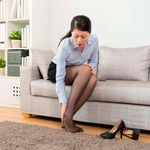
“Sedentary lifestyle is the number one culprit,” he says. “Even doctors are guilty of it. When you sit for long hours without movement, the muscles weaken, and your natural back curve collapses. That’s when the pain begins.”
As more Kenyans seek these medically informed solutions, businesses have been quick to adapt.
From mattress manufacturers to ergonomic chair suppliers, the industry has found a sweet spot between healthcare and comfort, and companies like Superfoam are right at that intersection.
Faith Gesambi, a brand assistant from Superfoam Limited, says the company has witnessed growing demand for orthopedic mattresses.
“We’re seeing a new generation of buyers, people who are more aware of posture and back health,” she explains. “Orthopedic mattresses are no longer viewed as medical equipment. They’ve become lifestyle products for comfort and prevention.”
Faith adds that product preference often aligns with income and awareness levels. Urban professionals and the middle class are leading demand, while health messaging and digital marketing have made these products more aspirational.
“It’s about investing in quality sleep and a healthy spine,” she says. “Customers today ask for firmness, posture support, and material density, things that show how informed they’ve become.”
She adds that while interest has grown, orthopedic mattresses remain premium products.
“A good queen-size orthopedic mattress goes for between twenty thousand and forty thousand shillings,” Faith says. “People are starting to view it as an investment in their health rather than just a regular mattress.”
Across the wider market, prices can range even higher, with some premium orthopedic options retailing for over one hundred thousand shillings, depending on size, density, and material.
Globally, the orthopedic industry is on an upward curve. Data by global market research and advisory firm, MarketsandMarkets shows that the orthopedic devices market, which includes supports, braces, implants, and assistive technologies, was valued at $51.61 billion in 2024 and is projected to reach $68.51 billion by 2030, growing at a compound annual growth rate of 4.8percent.
While these figures largely represent medical-grade products, the ripple effect has reached the consumer level, boosting demand for orthopedic chairs, mattresses, and footwear. In Kenya, this shift mirrors global wellness trends, where comfort and preventive care are increasingly intertwined with lifestyle.
Awareness
Dr Lumbasi believes Kenya’s market is driven by more than just affordability; it’s also about access to information.
“People who once would have ignored pain or found local fixes now know there are better solutions,” he says.
“Even in rural areas, awareness is spreading through health promotion and the internet. People are realising that what they feel can be corrected through proper support or ergonomic design.”
This awareness has opened up new business opportunities for local manufacturers and importers. From specialized chairs available in supermarkets to branded orthopedic mattresses in showrooms, the market is widening, appealing to both medical necessity and lifestyle aspiration.
As Kenya’s middle class expands and desk jobs multiply, the country’s appetite for orthopedic comfort is only set to grow. Dr Lumbasi predicts that awareness campaigns, social media education, and economic growth will continue driving the demand.
“It’s no longer luxury,” he insists. “It’s part of a new understanding that comfort and health are linked. A good chair or a firm mattress doesn’t just make life easier; it prevents illness.”
In the end, the orthopedic business is not just about selling mattresses or chairs; it’s about selling a new way of living. A lifestyle where comfort, posture, and productivity share the same seat.