Time flies with great content! Renew in to keep enjoying all our premium content.
Prime
How low survival rates expose gaps in childhood cancer war
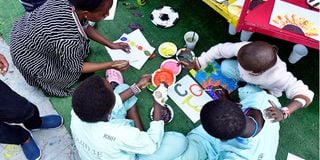
Cancer patients from the children’s Oncology ward 1E located at Kenyatta national Hospital (KNH) take part in an Art Therapy class on September 18, 2025.
Photo credit: Francis Nderitu | Nation Media Group
The shortage of paediatric haemato-oncologists and specialised facilities has slowed the early diagnosis and treatment of childhood cancer in Kenya, resulting in significantly lower survival rates.
Currently, Kenya has only 15 paediatric haemato-oncologists serving a population of around 12 million children, falling short of the World Health Organization's (WHO) recommendation of at least one paediatric haematologist-oncologist per 500,000 children.
Catherine Muendo, a paediatrician and haemato-oncologist at Kenyatta National Hospital (KNH), explains that the shortage of specialists and the fact that most treatment centres are located in cities lead to delays in diagnosis and treatment. This means that children in remote areas often present with advanced stages of the disease.
"Overall, the general survival rate for all childhood cancers in Kenya is around 20 to 30 percent," stated Dr Muendo.
"The shortage of specialists and facilities, along with low awareness, is a key reason why survival rates remain so low. Children who cannot access timely expert care are far more likely to experience treatment delays, interruptions, or abandonment.”
Globally, approximately 400,000 children aged 0 to 19 are affected by childhood cancer each year, with an estimated 70,000 to 80,000 cases occurring in Africa annually.
In high-income countries, survival rates exceed 80 percent, whereas in low- and middle-income countries (LMICs), fewer than 30 percent of children survive.
Kenya records around 2,500 new cases of childhood cancer each year, although the true figure is likely to be higher due to underdiagnosis and incomplete reporting.
In Kenya, survival rates vary depending on the type and stage of cancer. Acute lymphoblastic leukaemia (ALL), the most common childhood cancer, has a survival rate of 70 to 80 percent under optimal conditions.
However, outcomes are poorer for children in rural areas who experience delayed access to specialists. Acute myeloid leukaemia (AML) has a survival rate of around 30 to 35 percent in Kenya, compared to 70 percent in Western countries.
Lymphoma outcomes range from 60 to 90 percent, depending on the subtype. Meanwhile, early-stage solid tumours, such as Wilms' tumour and retinoblastoma, have higher cure rates than those diagnosed at advanced stages.
"At KNH, the cancers we most frequently encounter are leukaemia, lymphomas, Wilms' tumour, and retinoblastoma. These four dominate the landscape of childhood cancer in Kenya,” noted Dr Muendo, highlighting that these types differ from adult cancers, where breast, lung, and colon cancers are more prevalent.
Unlike adult cancers, childhood cancers rarely result from lifestyle or environmental factors. "Most arise from genetic mutations and developmental processes," explained Dr Muendo.
"This distinction makes prevention largely ineffective, which is why early detection is the cornerstone of saving lives.
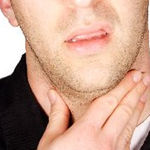
She advises parents to watch out for early warning signs, such as a persistent fever that does not respond to antibiotics, unexplained bruising or bleeding, a white reflex in the eye (the ‘cat’s eye’ sign), a sudden loss of motor skills, a staggering gait, swelling in the neck that does not resolve with treatment and dark circles under the eyes caused by internal bleeding.
The WHO has identified six 'index' cancers that account for 50 to 60 percent of all childhood cancers worldwide: ALL, Burkitt lymphoma, Hodgkin lymphoma, retinoblastoma, Wilms' tumour, and low-grade glioma.
If diagnosed early and treated appropriately, these cancers are highly curable, making them a priority for intervention in low-resource settings.
In Kenya, paediatric oncology services are available at several public hospitals, including KNH in Nairobi, Moi Teaching and Referral Hospital (MTRH) in Eldoret, and Jaramogi Oginga Odinga Teaching and Referral Hospital (JOOTRH) in Kisumu.