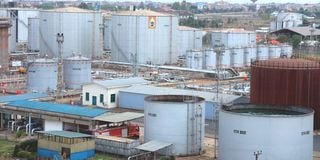
After Parliament approved the plan to sell 65 percent of the government stake in Kenya Pipeline Company (KPC), the deal now looks like a foregone conclusion. The National Treasury expects to raise approximately Sh100 billion from the transaction.
The language used by officials to frame the policy is telling. This is not “privatisation” in the ideological sense of rolling back the frontiers of the state. Instead, it is described as ‘liability management;—a tool to raise cash, restructure the balance sheet, and contain public debt. The narrative is that Kenya is not selling assets out of conviction but out of necessity.
We have exhausted traditional borrowing routes. The latest craze in the Treasury’s playbook is securitisation—packaging future streams of statutory levies and pledging them to financiers in exchange for upfront cash. In other words, predictable revenues such as statutory levies and earmarked funds are converted into immediate cash by pledging them as collateral.
Is the Railway Development Levy the next candidate to be securitised? In recent months, following oversubscription of the Sports Fund securitisation—where the government raised Sh44 billion to finance construction of the 60,000- seater Talanta Stadium on Nairobi’s Ngong Road—financial markets have been buzzing with speculation about securitising the railway development levy.
The target is to raise money to fund the proposed extension of the Standard Gauge Railway (SGR) from Naivasha to Kisumu and Malaba, at an estimated cost of $4 billion.
From conversations with top government officials and knowledgeable players in debt markets, what I can discern is that although no firm decisions have been made, this option has been under serious consideration.
What has slowed progress is the new insistence on a comprehensive freight study for the region. The emerging wisdom is that the project must pay for itself. Kenya is keen to avoid a repeat of the Mombasa–Naivasha SGR model, which left the taxpayer saddled with unsustainable debt.
In recent months, securitisation has been deployed with startling frequency.
A portion of the Roads Maintenance Levy was securitised, allowing the Kenya Roads Board to raise Sh178 billion in quick cash—much of it used to clear arrears inherited from the Uhuru Kenyatta years. Soon after came another deal: securitisation of the Sports Development Levy, funded mainly by betting and lottery taxes.
Is securitisation a good thing? The appeal is obvious: it delivers instant liquidity without the political pain of raising taxes. But the downside is equally stark. You gain temporary liquidity at the cost of binding future revenues. In the two deals already struck, tomorrow’s road taxes and betting levies have been spent today.
Kenya’s debt conundrum is not about a shortage of financial engineering tricks. It is about a chronic failure to align spending with sustainable revenues.
Unless the government breaks the cycle of primary deficits—by broadening the tax base, cutting recurrent costs, and prioritising expenditure—the securitisation binge will only delay the inevitable day of reckoning.
That said, in the current fiscal crisis, I still maintain that securitising the railway levy may not be such a bad idea. Anyone taking a long-term view will admit that infrastructure assets—railways, roads, power transmission lines, ports, airports, telecommunications—have an enduring impact on the cost of doing business.
You can debate the price tags and compare costs with similar projects elsewhere, but years later, if projects are completed within budget and on schedule, the long-term benefits tend to outweigh the concerns raised during planning.
Several years ago, we shouted our voices hoarse over the Turkwell Gorge hydro electric project. Today, it is an integral part of our hydro electric power generation capacity.
Are such large projects better funded by long-term loans from the multilaterals rather than quick fixes such as securitisation? Maybe. But you must prepare to engage in endless arguments about project affected persons, letters, a no objection and other conditionalities.
Still, the danger is clear. Securitisation is not fiscal reform—it is fiscal evasion, it merely papers over structural imbalances without addressing the root causes of our problems. Securitisation spreads risk but doesn’t eliminate it.
If anything, Kenya does not lack clever financing tricks. It lacks the discipline to match spending with revenue. Until that changes, no amount of financial engineering—Eurobonds and syndicated loans yesterday, securitisation today—will save us.
The writer is a former managing editor of The EastAfrican
Unlock a world of exclusive content today!Unlock a world of exclusive content today!