For many plant parents, hydrangeas are more than just flowers —they represent a test of patience, resilience and emotional investment.
Despite their breathtaking beauty, these plants can be challenging even for the most experienced gardeners, with the most common issues being stunted growth, scorched leaves, periods of non-blooming and soil that just doesn’t seem right.
While other plants thrive, hydrangeas often seem to follow their own set of rules.
“I’m not ready to give up just yet,” says Esther Githinji, an avid gardener who started with 10 hydrangea hortensia plants last year, but now only two remain.
She tried everything — moving them to pots, planting them back in the ground and researching fertilisers —but nothing worked.
James Gichoki, another plant parent poured his heart into his seven hydrangeas. Three of them died early on, while the remaining only began to flower after months of intense care.
“It was almost like nursing a sick child,” he reflects. 'They eventually bloomed for me, but it took everything I had.'
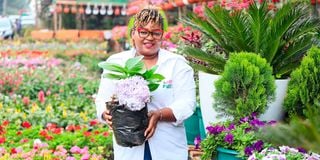
Hellen Wanjiru, a plant seller based in Nairobi, notes that hydrangeas require consistent care, and not everyone is familiar with their needs.
“I often advise buyers to pay close attention to their plants and try to ‘learn the language of hydrangeas’ —understanding what their appearance indicates about their requirements regarding water, light or soil.”
“Hydrangeas can be very rewarding once you understand them,” agrees Njoki Kamau, a landscaper at Alpha Plants. “But they’re not beginner-friendly.”
Having worked on residential and commercial gardens throughout Nairobi, Njoki explains that many gardeners mistakenly believe that hydrangeas will thrive anywhere.
To help unravel the mysteries of this native plant from Asia and the Americas, the BDLife spoke to Shivani Devani, a plant expert and enthusiast.
Understanding the hydrangea
Hydrangeas belong to a family of flowering shrubs known for their large, mop-head or lacecap blooms, which can range in colour from blue and purple to pink and white.
There are over 70 species globally, but the most common varieties in Kenyan gardens include hydrangea macrophylla, which produces big, bold flowers in clusters; hydrangea paniculata, which has cone-shaped blooms that age from white to blush pink; and the hardy hydrangea arborescens, which is recognised for its ball-like flowers and ability to tolerate various climates.
Hydrangea macrophylla is the most popular variety, but it is also the most sensitive to climate and soil conditions.
The colour of its blooms is influenced by soil pH —acidic soil typically yields blue flowers, while alkaline soil yields pink flowers. While this colour variation adds to the plant's appeal, it can also lead to confusion, especially given Kenya’s diverse soil types.
Climate matters
Shivani recommends growing hydrangeas in cool, shaded areas that receive morning sun and afternoon shade. “They don’t like direct, harsh sunlight as this causes leaf scorch and wilting,” she explains.
Nairobi’s milder temperatures and higher altitudes can be conducive to hydrangea growth, provided they are protected from full sun exposure.
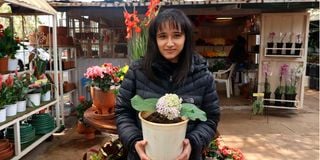
Shivani Devani displaying bigleaf hydrangea plant at her Funky Bunches Florist shop in Karen, Nairobi on August 4, 2025.
Photo credit: File | Nation Media Group
“Hydrangeas enjoy consistent moisture but dislike soggy soil,” says Shivani. Raised beds or sloped areas with good drainage are ideal for planting. In hotter regions, it is better to grow hydrangeas in pots that can be moved to avoid sun damage.
Soil and feeding
Hydrangeas have specific soil requirements. The key is moisture retention without waterlogging. Many gardeners overlook the importance of soil pH, yet it plays a vital role in both the health and color of the blooms.
Acidic soil (with a pH below 6) encourages blue flowers, and this can be achieved by adding things like coffee grounds. Alkaline soil (pH above 6.5) promotes pink or purple flowers, and lime can help raise the pH.
“They thrive in rich, loamy soil that is full of organic matter. If your soil is clay-heavy or sandy, amend it with compost.” For potted plants, she recommends a mixture of compost, perlite, peat moss or coco peat and sand to improve drainage.
To ensure they are properly nourished, Shivani suggests regular fertilisation during their active growing season, which is typically from October to April in Kenya. “I use a balanced fertiliser such as 10:10:10, or one high in phosphorus to encourage flowering.”
Watering wisely
“Hydrangeas require a lot of water, but they do not like sitting in water,” Shivani notes. She recommends watering them deeply two to three times a week, depending on rainfall and pot size. “Early morning is best, allowing the leaves to dry during the day.”
Mulching around the base of the plant helps to retain moisture and keeps the roots cool. Shivani suggests using organic mulch, such as pine bark or dried leaves.
Pruning and propagation
When it comes to pruning, it is crucial to understand the type of hydrangea you have. “Macrophylla and oakleaf varieties bloom on old wood, so pruning them at the wrong time can cut off next year’s flowers,” Shivani warns.
For these types, she recommends pruning just after flowering in late summer.
In contrast, the paniculata and arborescens varieties bloom on new wood and can be pruned in early spring, before new growth appears.
“I also remove any dead or weak stems to improve air circulation,” says Shivani.
For propagation, she recommends taking softwood cuttings in early summer.
“Dip them in rooting hormone and place them in moist soil in a shaded area. You’ll see roots forming within a few weeks.”
Routine care
Hydrangeas thrive with consistent care. Shivani recommends checking the moisture levels in the soil every few days, removing spent blooms to encourage new growth and feeding the plants once a month during the growing season.
It is also important to periodically refresh the mulch and check for root exposure or compaction, especially in potted plants.
Pests and diseases
Hydrangeas can face various challenges. Common pests include aphids, spider mites and mealybugs. "I spray neem oil monthly as a preventive measure, and if there's a significant infestation, I use insecticidal soap," says Shivani. Powdery mildew and leaf spots may appear in humid conditions.
“Spacing the plants adequately and pruning to improve air circulation helps to reduce these risks,” advises Shivani.
She also uses a mixture of baking soda and water as a natural fungicide when necessary.
Common mistakes and how to avoid them
One of the most frequent mistakes made by hydrangea caretakers is overwatering. The roots can easily rot if the soil is too soggy, particularly in pots without proper drainage. Shivani suggests checking the top inch of soil for moisture before watering again, particularly during the rainy season.
Another common error is pruning at the wrong time. For macrophylla varieties, pruning in early spring can remove old wood where buds have already formed.
“This will result in lush green growth and no flowers,” warns Shivani. She therefore encourages gardeners to identify their hydrangea variety before reaching for the shears.
Confusion over soil pH can also lead to frustration. “If your blue hydrangea suddenly blooms pink, it’s probably because the soil is alkaline,” Shivani explains. She recommends using soil acidifiers such as aluminium sulphate to encourage blue hues and lime to encourage pink blooms, but only after testing the soil pH first.
Finally, failing to consider the light conditions can result in scorched leaves or weak, leggy plants. Shivani advises finding the right spot for potted hydrangeas, preferably somewhere with gentle morning sunlight and cool shade in the afternoon.