About 40 percent of Kenya’s 47 counties do not have diagnostic facilities that meet national standards for the timely detection and reporting of diseases, a new health sector report has revealed, raising concerns about the country's ability to respond quickly to public health threats.
A study by the African Institute for Development Policy (AFIDEP) and Global Solutions for Diagnostics and Laboratory Systems (GLOBESOLUTE) found that only 60 percent of counties have the required infrastructure and capacity to quickly identify and report potential pathogens to the relevant national authorities. The remaining counties lack the essential tools and systems required for an early warning system, prompt intervention, and effective outbreak containment.
AFIDEP and GLOBESOLUTE are non-profit research and technical organisations focusing on strengthening health systems and diagnostic capacities in low- and middle-income countries. Together, they run the Diagnostics for Universal Health Coverage Tracker, which assesses access to diagnostic services in Kenyan counties to inform health policy and improve outbreak preparedness.
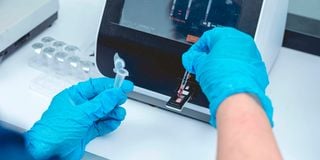
Diagnostic facilities include laboratories and testing centres equipped to detect pathogens in patient samples. These include public health laboratories capable of testing for infectious diseases like cholera and Mpox. They utilise Polymerase Chain Reaction (PCR) machines for genetic testing and Rapid Diagnostic Test (RDT) kits for malaria and HIV. Additionally, they have microscopy and culture labs, cold chain storage for specimens, and data systems for reporting results to surveillance centres.
Well-equipped diagnostic facilities enable early disease detection, allowing for prompt treatment and intervention. They also serve as critical centres for outbreak investigation, emergency planning, and vaccine deployment.
In contrast, counties without functioning laboratories must send samples to centralised national labs, resulting in confirmation delays of days or even weeks. During these crucial early moments, outbreaks can grow unnoticed. Without real-time data, the Ministry of Health is unable to issue alerts, deploy response teams, or distribute supplies efficiently. Without a robust diagnostic infrastructure, threats such as Mpox and emerging zoonotic diseases can escalate before they are detected.
"Only 60 percent of counties have adequate diagnostic facilities that meet the requirements for the timely identification of pathogens and reporting at a national level," the report stated.
The report further revealed critical financial gaps in strengthening laboratory networks and implementing a national surveillance system, which requires Sh5.2 billion but currently has only Sh1.3 billion.
“The country also lacks sufficient stockpiles of critical medical supplies, with an annual funding gap of up to Sh1.3 billion. Only 17 percent of health facilities have preparedness plans, and fewer than 50 percent of counties allocate budgets for epidemic preparedness and response,” the report stated.
In recent years, the government has strengthened surveillance by introducing programmes such as Integrated Disease Surveillance and Response (IDSR) and Event-Based Surveillance (EBS). EBS, in particular, played a significant role during the pandemic by improving the speed with which abnormal health events were detected and reported. However, the effectiveness of these systems varies across counties due to fragmented coordination, limited investment, and critical shortages of trained staff.
For instance, although Rapid Response Teams exist in 91 percent of sub-counties, only 18 percent have conducted post-outbreak after-action reviews, which are a vital learning tool. Fewer than half of the counties have consistent access to basic personal protective equipment (PPE), and just 37 percent have up-to-date protocols for managing high-risk diseases.
Similarly, only 11 percent of healthcare workers have received IDSR training, and most of them did so over five years ago. Kenya requires an additional Sh646 million to Sh1.3 billion to train and retain the essential personnel necessary for an effective outbreak response.