Time flies with great content! Renew in to keep enjoying all our premium content.
Prime
Making a comeback? Avoid these rookie mistakes at the gym
Victor Isabwa, a fitness enthusiast, does Dumbbell Shoulder Press exercise during his routine workout session at Premier Fitness Centre in Nairobi on September 12, 2025.
Life has a way of pulling fitness enthusiasts away from the gym. Sometimes it’s an injury, other times it’s work and out-of-town travel, or for women, it could be the pause that comes after giving birth.
Before you know it, your short hiatus spans well into six months or even a year. How do you get your mojo back?
Fitness coaches say that coming back isn’t just about picking up where you left off; it needs patience. The goal isn’t to outshine your past self; it’s to allow your body to adapt to the fitness regimen, mentally and physically.
“Coming back depends on many things. You have to consider age, gender, and the duration of the break. If you’ve been gone six months, your body responds very differently compared to someone who’s been away for a year,” says James Atika, a gym trainer at Premier fitness centre.
He explains that the reason for the break also matters. Someone who stopped because of injury cannot be treated the same as someone who just got busy with work: “If you used to lift heavy weights, or you were doing resistance training, you don’t come back to same intensity. Others want to lose weight; others want to gain muscle. The comeback plan has to match the goal.”
Cardio and toning come first
According to the trainer, it is compulsory to begin from a gentle pace, whether or not you are a pro.
“We usually start with cardio and toning, mostly to trigger the muscle memory. A week or two of this helps the body remember how to move before we get back into structured lifting. Men recover faster because of their muscle structure; for women, the body has more soft tissue and fat distribution, so the return to strength training takes a little longer.”
Consistency, he says, is more important than the intensity of your workouts. “If you show up properly for the first 10 days, your body adjusts, the soreness reduces, and the progress is faster. But if you start skipping, the recovery takes longer.”
When it comes to regaining strength, James points out that not all muscles respond the same. “Legs are always the toughest to recover. With legs, it’s pure muscle; you can’t compare it to shoulders or chest. Squats, especially, are very strenuous for people who have been off training. It takes time to return to the normal weight you used to lift.”
“Do full-body workouts for the first week, then move into your old split. For example, Monday chest and biceps, Tuesday back and triceps, Wednesday shoulders and core, and then legs last. It’s better than rushing to isolate a heavy squat or deadlift when it’s too early,” he says.
Supplements: To take or not?
For many returnees, the biggest question is about cardio. Should you go all in, or keep it light? The trainer says it depends on your goals.
“If you want to reduce fat, cardio is a priority. You may warm up on the treadmill for 10 to 15 minutes, but after a break, we increase it to 20 or even 30 minutes for fat burning. For those who want to gain muscle, cardio is minimal. Too much cardio when you’re lifting heavy will drain your power.”
Still, he warns against cutting it out completely. “Even if you’re gaining, a bit of cardio helps your circulation and recovery of your muscles.”
Consequently, the comeback also raises another question: should you take supplements? “Supplements come in only if you have a deficiency.
For weak bones, maybe you need calcium... But we don’t advise supplements unless they’re really needed. The bigger problem I see is not lack of supplements, it’s lack of sleep.”
He stresses that recovery is everything. “If you don’t sleep, your muscles don’t repair. Even your lifting power goes down. Sleep is the biggest supplement most people are missing.”
Boxing as a comeback
While many people head straight for weights, boxing is becoming a popular choice for those returning to fitness. Victor Isabwa, a boxing coach, says the sport gives you intensity and also helps to build discipline in pacing.
“Boxing is an intense workout, and when you come back, you must slow down. If you used to punch for two minutes straight, you now reduce it to 10 seconds. Otherwise, you’ll get injured because the body has been at rest.”
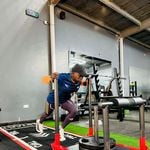
Victor Isabwa, a fitness enthusiast, performs his boxing exercises during his routine session at Premier Fitness Centre in Nairobi on September 12, 2025.
Photo credit: Bonface Bogita | Nation Media Group
If the break was due to injury, the coach says the approach should be cautious. “ Many people develop back or arm injuries in boxing, so the first two weeks are a slow adaptation. Even after that, you still need a strategic plan to build back up.”
More than throwing punches
Boxing, Victor explains, is more than just throwing punches. The cardio in boxing is already very high. “Punching is enough core exercise; it strengthens your upper body, and it builds stamina so you stop panting when doing everyday activities. It also makes you flexible and alert,” he says.
For women, especially, he says boxing is an excellent way to target fat in the upper body. Just like James, the boxing coach says, whether your comeback is through weights, classes, or the boxing ring, you have to start with small consistencies that are not rushed.
“Muscle memory is real, but it takes time. If you rush, you’ll injure yourself and be out even longer. Train five to ten consistent days first, then build your programme slowly.” James says
“You move gradually, you respect your body, and with time you regain not just strength but confidence too,” Victor adds.
Dancing to fitness
If lifting weights feels like too much after a long break, aerobics can be the perfect way to find your rhythm again. Harrison Obuchere, an aerobics coach at K.O Fitness says aerobics isn’t just about moving to music; it’s a patterned workout that can rebuild stamina, coordination and strength in a balanced way.
“A good aerobics session starts with a warm-up. That’s usually five to ten minutes of marching in place, step touches, or side steps to loosen the joints and increase blood flow. It prepares your body for the intensity to come,” he explains.
Once warm, the class shifts into more dynamic movements. “We move into routines like jumping jacks, knee lifts, and light kicks. These are done in intervals, a short activity followed by active recovery. It keeps your heart rate up without overwhelming the body.”
Harrison points out that aerobics isn’t just good for cardio; it also helps to build strength. However, music is what ties everything together.
“The beat helps you stay consistent. For example, we use slower tracks for endurance-based movements like side steps or marches, then switch to faster songs for high-energy routines like kicks and hops. That variation challenges the body in different ways,” he says.
For anyone unsure where to begin, the coach recommends workout classes two to three times per week.
“We always end with stretches for the hamstrings, quads, shoulders, and back. This helps the muscles relax and reduces stiffness. After 45 minutes, your whole body has been worked without you even realising how much you’ve done,” he adds.